








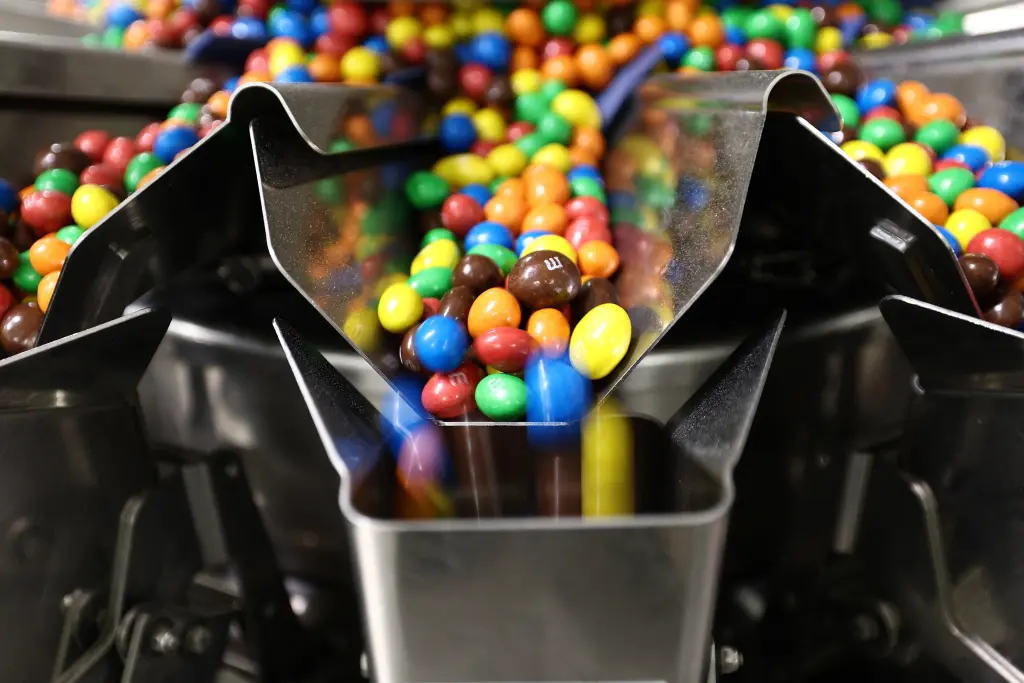
Mars Inc. is rolling out new versions of three of its most famous candy brands—M&M’s, Skittles, and Starburst—made with natural ingredients to recreate their iconic, vibrant colors instead of traditional synthetic petroleum dyes. The updated treats will be available on Amazon at the same price point as their artificially colored counterparts.
The decision aligns with a broader shift in consumer preferences toward cleaner ingredients and follows a 2025 Food and Drug Administration (FDA) initiative aimed at phasing out artificial food dyes from the U.S. food supply.
Why Mars Is Replacing Synthetic Dyes
For decades, artificial pigments such as Red No. 40 and Yellow No. 5 served as standard ingredients to give popular candies their eye-catching look. However, over the past 15 years, a growing body of scientific research has linked these petroleum-based dyes to childhood hyperactivity and allergic reactions.
Cum e vremea în orașul tău?
Vezi pe loc temperatura, vântul și prognoza orară. Pentru prognoza detaliată pe mai multe zile, pentru orice localitate din România, intră pe portalul nostru meteo.
According to Claire Hewitt, Mars’ Senior Director of Ingredient Transformation, the transition was not a sudden pivot. Mars spent over a decade conducting research, testing new formulations, upgrading manufacturing capabilities, and gathering feedback from more than 13,000 consumers over the past year.
How Plant-Based Ingredients Recreate the „Rainbow”
To keep the candies looking bright without altering their taste, Mars developed dye alternatives derived entirely from plants, algae, and fruit juices:
- Red: Derived from beet juice.
- Yellow: Extracted from turmeric.
- Green: Created using a blend of turmeric, beet juice, and the blue-green algae spirulina.
- Orange: Formulated from beta-carotene and carotenoids.
- Purple: Dyed using grape juice.
The Technical Challenges: Blue and Brown
Creating natural equivalents for blue and brown proved to be the most difficult hurdle during development. Hewitt noted during an interview on Good Morning America that achieving long-term color consistency and maintaining the exact level of vibrancy across massive production scales required extensive trial and error in their Hackettstown, New Jersey lab facility.
A Response to the Growing „Wellness” Trend
The ingredient overhaul reflects a broader movement across the food and beverage industry as „wellness” and clean-label products transition from niche markets to mainstream grocery shelves. With the FDA pushing for cleaner standards and consumers actively seeking fewer synthetic additives, Mars aims to protect the market longevity of its most valuable confectionery brands while meeting updated health expectations.